


The Ultimate Guide to BS6 Sensor Socket Replacement

Mecspot
6 March 2026
Every professional mechanic knows the sinking feeling of diagnosing a BS6 motorcycle that throws a random check engine light, only to discover the expensive sensor itself is perfectly fine. When a modern two-wheeler comes into the workshop with a "missing" problem or an erratic idle, it is easy to blame the complex electronics. However, seasoned experts know that the real culprit is often the wiring. Specifically, a melted, corroded, or loose connector plug.
In this comprehensive guide, we are going to explore exactly why these factory plugs fail, how to accurately diagnose an electrical short, and how to perform a professional BS6 sensor socket replacement so your customer's bike stays on the road.
Why Are Factory BS6 Sensor Sockets Failing So Often?
Modern BS6 scooters and motorcycles rely on a massive network of sensors to communicate with the ***engine control unit*** (ECU). Because these parts are mounted directly on the engine block or near the exhaust, the motorcycle wiring harness takes a massive beating every single day. Here is exactly why those original plastic sockets break down:
1. The Impact of Extreme Engine Heat
The engine block generates intense thermal cycles. Over time, the constant heating and cooling cause cheap factory plastics to become extremely brittle. The locking tabs snap off, and the plastic housing physically melts, causing the internal metal pins to lose contact.
2. Water Damage and Monsoon Riding
Riding through deep water during heavy rain is a death sentence for unsealed electrical connections. When water and mud bypass weak weather seals, they create a chemical reaction inside the plug. This leads to the rapid buildup of green copper corrosion, which completely blocks the electrical signal from reaching the ECU.
3. Constant Vibration on Rough Roads
Indian roads are tough on suspensions, but they are even tougher on rigid electrical connections. High engine RPMs and deep potholes cause the internal metal pins to vibrate loose. This creates dangerous voltage drops and intermittent connection issues.
Signs You Need a BS6 Sensor Socket Replacement
Before you start cutting wires or ordering a brand new fuel injector, you need to look for the tell-tale symptoms of a failing sensor socket.
- The Dreaded Flickering Check Engine Light: If the check engine light flashes when the bike hits a speed bump but turns off when riding on a smooth highway, you almost certainly have a loose wire or a broken connector.
- Engine Missing and Jerking Issues: When the connection to a crucial sensor (like the throttle position sensor or temperature sensor) cuts in and out, the ECU gets confused. This causes the bike to violently jerk or suddenly lose power during acceleration.
- Visible Melting or Green Powder: A quick visual inspection is often all it takes. If the plastic plug looks warped, scorched black, or if you see a white or green powdery substance inside the terminal pins, the socket is dead.
How to Diagnose a Bad Sensor Connector (Before Replacing It)
Stop guessing and start testing. To properly diagnose a BS6 sensor socket replacement, you need to use a digital multimeter.
Step 1: The "Wiggle" Test
Start the motorcycle and let it idle. Carefully grab the wiring harness right behind the suspected sensor connector and gently wiggle the wires back and forth. If the engine suddenly stumbles, idles higher, or dies completely, you have found the broken connection inside the socket.
Step 2: The Multimeter Voltage Test
Turn the bike off, disconnect the plug, and turn the ignition key back to the "ON" position. Set your digital multimeter to measure DC voltage. Probe the terminals on the wiring harness side. If you see heavily fluctuating voltage readings, or if the voltage is significantly lower than the battery voltage, the wiring leading into the socket is damaged.
Expert Tip: Do not try to bend the internal pins back into place with a needle. This is a temporary "jugaad" fix that will lose its tension quickly, leaving your customer stranded again in a few days.
Step-by-Step Guide to Professional BS6 Sensor Socket Replacement
When you find a melted or corroded plug, the only professional, long-lasting solution is a hardwired replacement. You do not need to replace the entire expensive wiring harness; you just need a high-quality pigtail splice.
Tools You Will Need:
- Wire cutters and strippers
- A soldering iron and rosin-core solder
- Marine-grade heat shrink tubing
- A lighter or heat gun
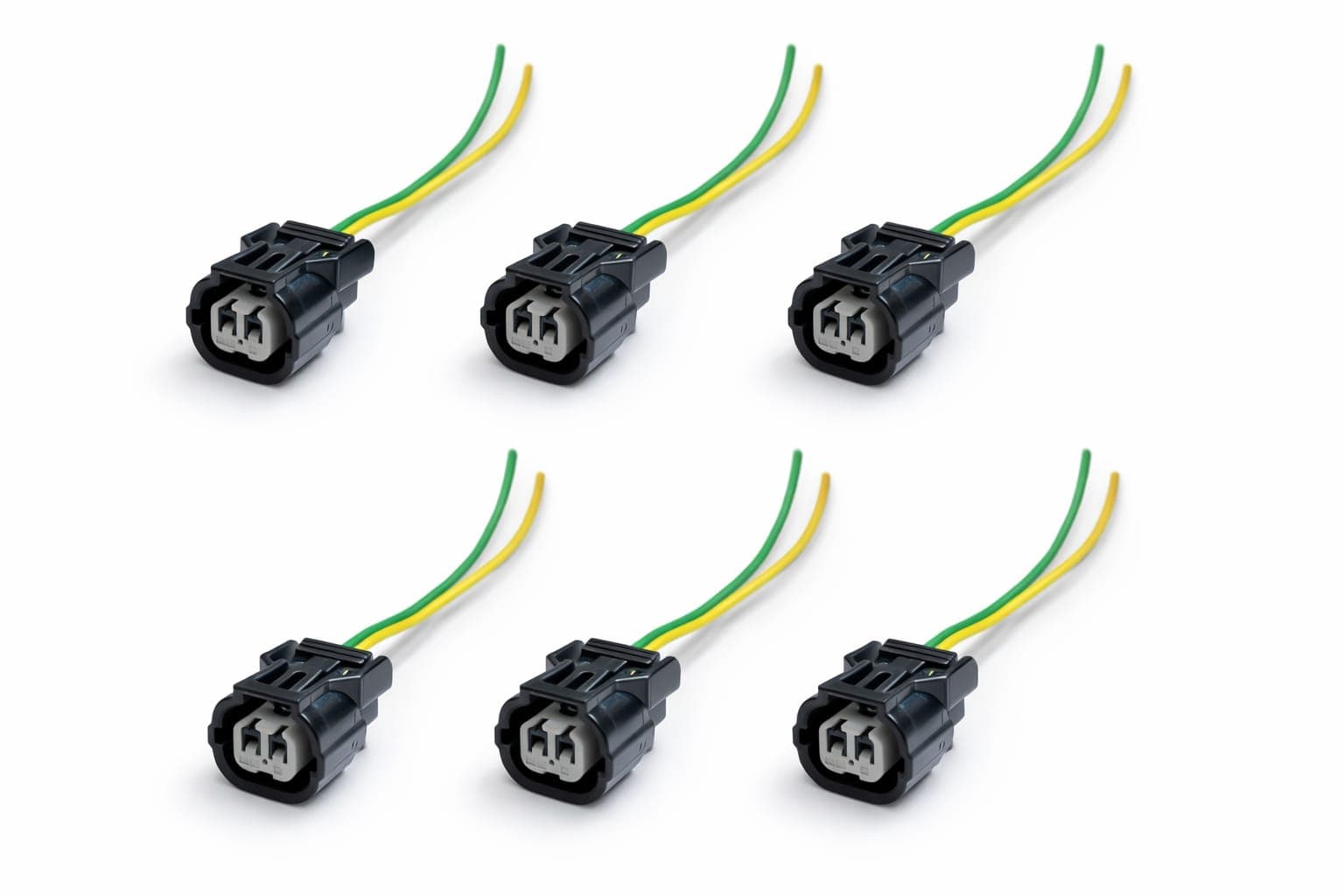
- A premium replacement socket (like the 2-Pin Female Bike Sensor Connector Socket from MecSpot)
Step 1: Disconnect the Battery
Safety comes first. Always disconnect the negative terminal of the battery before cutting into a motorcycle wiring harness to prevent accidental short circuits that could fry the ECU.
Step 2: Cut the Old Socket
Snip the damaged connector off the main harness. Make sure to cut an inch or two behind the plug to remove any wire that might be internally corroded or brittle from heat exposure.
Step 3: Strip and Prep the Wires
Strip back about half an inch of the plastic insulation on both the main harness wires and the wires on your new 2-pin female connector bike pigtail. Slide a piece of heat shrink tubing over the wires before you connect them.
Step 4: Solder the New Pigtail
Twist the bare copper wires together tightly. Next, use your soldering iron to melt solder directly into the wire joint. Never just twist the wires and tape them! Soldering ensures a permanent, solid connection with zero electrical resistance, ensuring perfect sensor readings.
Step 5: Seal with Heat Shrink Tubing
Slide the heat shrink tubing over the freshly soldered joint. Use your heat gun or lighter to shrink the tubing down tight. This creates a 100% waterproof, airtight seal that protects the exposed copper from future rust, mud, and water damage.
Choosing the Right Replacement Socket for the Job
If you are going through the effort of performing a wiring harness repair, you cannot rely on cheap, unsealed plastic clips from the local market. You need a replacement that is tougher and more reliable than the factory original.
When stocking your workshop, look for connectors that feature OEM-Grade Locking Mechanisms and Waterproof Silicone Seals to protect against high-pressure washing and vibration.
By following these diagnostic steps and using premium replacement parts, you ensure that every bike leaving your garage runs perfectly, building massive trust with your customers and keeping them coming back for years.
Need Quality Bike Tools & Parts?
Browse our range of motorcycle tools and spare parts for two-wheeler workshops.
Shop NowNever Miss a Post
Subscribe to our newsletter for expert tips on bike maintenance and product launches.