


How to Diagnose Fuel Pump & Injector Issues Like a Pro

Mecspot
11 March 2026
If you run a professional bike workshop, you already know the frustration: a customer brings in a BS6 motorcycle, it cranks perfectly, but it refuses to start. Or worse, the bike suffers from that dreaded "missing beat" and sudden power loss while overtaking. In the older BS3 and BS4 carburetor days, mechanics could rely on their ears and a screwdriver to tune a bike. Today, with strict BS6 emission norms and advanced Electronic Fuel Injection (EFI) systems, guessing just doesn't work anymore.
Replacing a fuel pump or an injector on a hunch is an expensive mistake that ruins customer trust. To run a profitable, trustworthy garage, you need to diagnose the root cause accurately. In this comprehensive guide, we will break down the exact symptoms of failing BS6 fuel systems and how to diagnose them like a pro.
Understanding BS6 Fuel Delivery vs. Old Carburetors
Unlike carburetors that rely on engine vacuum to pull fuel, BS6 motorcycles use an Electronic Control Unit (ECU) to command a high-pressure fuel pump inside the tank. This pump pushes petrol through a fuel line to the injector, which then sprays a fine mist into the engine cylinder.
For this system to work, the fuel pressure must be absolutely precise. Most BS6 motorcycles—including popular models from Honda, TVS, Bajaj, and Royal Enfield—require a constant fuel pressure of around 3 to 4 Bar (roughly 40 to 60 PSI). If that pressure drops even slightly, the injector cannot atomize the fuel properly, leading to immediate performance issues.
Top Symptoms of a Failing BS6 Fuel Pump
A fuel pump rarely dies overnight. It usually degrades over time due to wear and tear, riding constantly on an empty tank (which overheats the pump motor), or sediment build-up. Watch for these three primary signs:
1. The "Missing Beat" and Power Loss Under Load
When a fuel pump motor grows weak, it might push enough fuel for the bike to idle normally. However, when the rider twists the throttle to climb a hill or accelerate, the weak pump cannot deliver the extra fuel volume required. The engine leans out, resulting in a sudden, jerky power loss or a "missing" sensation.
2. Starting Trouble When the Engine is Hot
A classic sign of a failing electric fuel pump is heat sensitivity. The bike might start perfectly in the morning when the engine and ambient temperatures are cool. But after riding for 30 minutes, if the rider turns the bike off and tries to restart it, the hot, expanded components inside the worn pump seize up, preventing it from generating pressure.
3. No Whining Sound Upon Ignition
When you turn the ignition key to the ON position and flip the kill switch, you should immediately hear a 2-second high-pitched whine from the fuel tank. This is the pump priming the fuel lines. If you hear absolute silence, you either have a blown fuse, a broken relay wire, or a completely dead pump motor.
Symptoms of a Clogged Fuel Injector
Sometimes the pump is working perfectly, but the delivery nozzle—the fuel injector—is blocked. Indian road conditions, dust, and varying fuel quality lead to rapid carbon and varnish buildup on the microscopic holes of the injector nozzle.
1. Rough Idling and Engine Stalling
If the injector is partially clogged, it will spit fuel in heavy droplets rather than a fine, combustible mist. This causes incomplete combustion. The bike will struggle to maintain a steady RPM at idle and may frequently stall at traffic lights.
2. Poor Mileage and Unburnt Fuel Smell
A dirty injector can sometimes become stuck in an "open" position, leaking excess fuel into the cylinder. This destroys the bike's fuel efficiency, fouls the spark plug with black carbon, and often creates a strong smell of unburnt petrol from the exhaust.
How to Accurately Test Fuel Pressure (Step-by-Step)
Safety Warning: Always work in a well-ventilated area away from open flames. Relieve fuel line pressure before disconnecting any hoses, and wear safety glasses to protect your eyes from pressurized petrol spray.
- Step 1: Locate the Test Port: Find the fuel rail or the quick-disconnect fitting between the fuel tank and the throttle body.
- Step 2: Connect the Gauge: Using a professional, multi-pin compatible tester kit, securely attach the pressure gauge hose using the correct brass adapter for the specific bike model.
- Step 3: Prime the System: Turn the ignition key ON (do not start the engine). Observe the gauge needle. It should instantly jump to the manufacturer's specification (usually 3 to 4 Bar).
- Step 4: Analyze the Reading: If the pressure is within spec, the pump is healthy, and your issue is likely a clogged injector or an electrical fault. If the gauge reads 1 Bar or zero, the pump or the internal fuel filter has failed.
The Ultimate Diagnostic Tool for Your Workshop
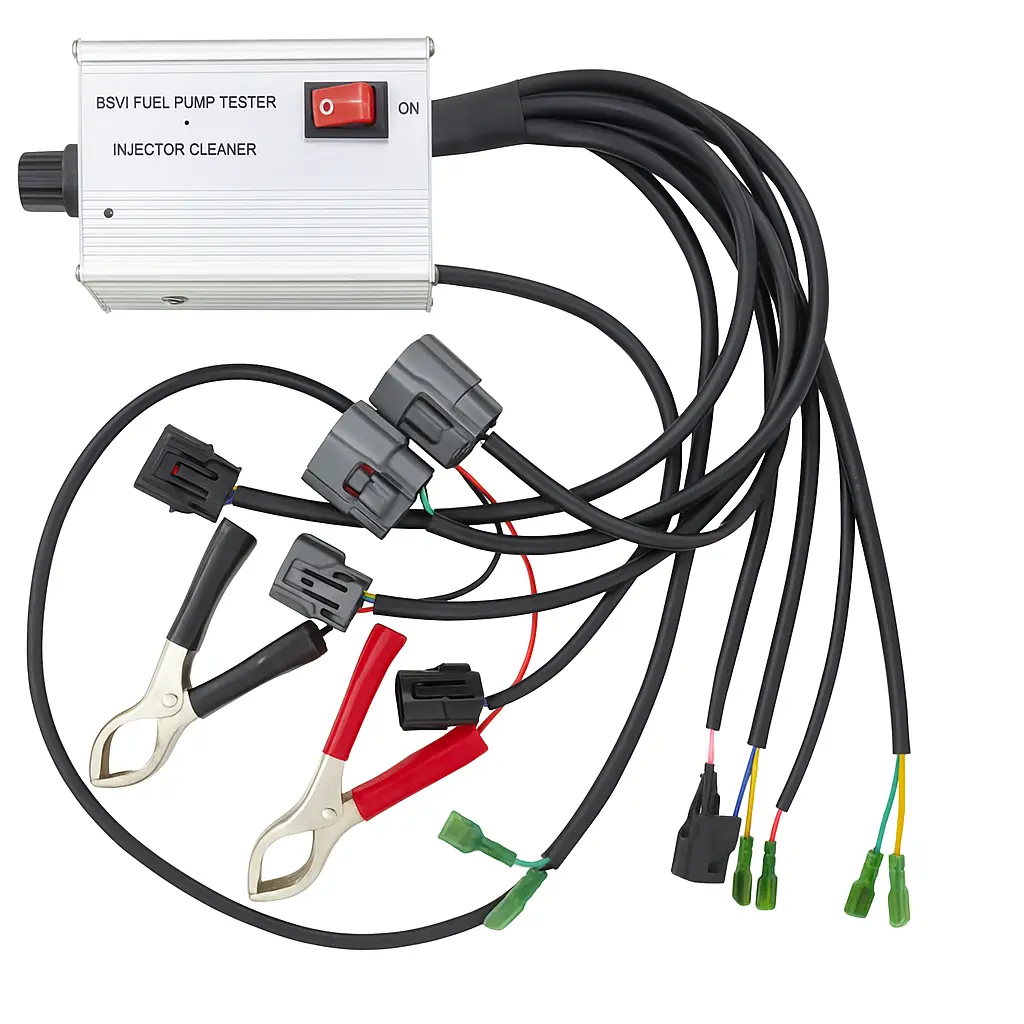
To perform these tests quickly and accurately, modern mechanics need professional-grade equipment. Stop turning away complex BS6 repairs and start diagnosing with confidence using the Universal BS6 Fuel Pump Pressure Tester & Injector Cleaner Machine.
This heavy-duty tool is designed specifically for Indian workshop conditions. It offers Dual Functionality: it accurately tests fuel line pressure to detect weak pumps, and it features an advanced electronic pulse mode to flush and clean carbon deposits right out of clogged injector nozzles.
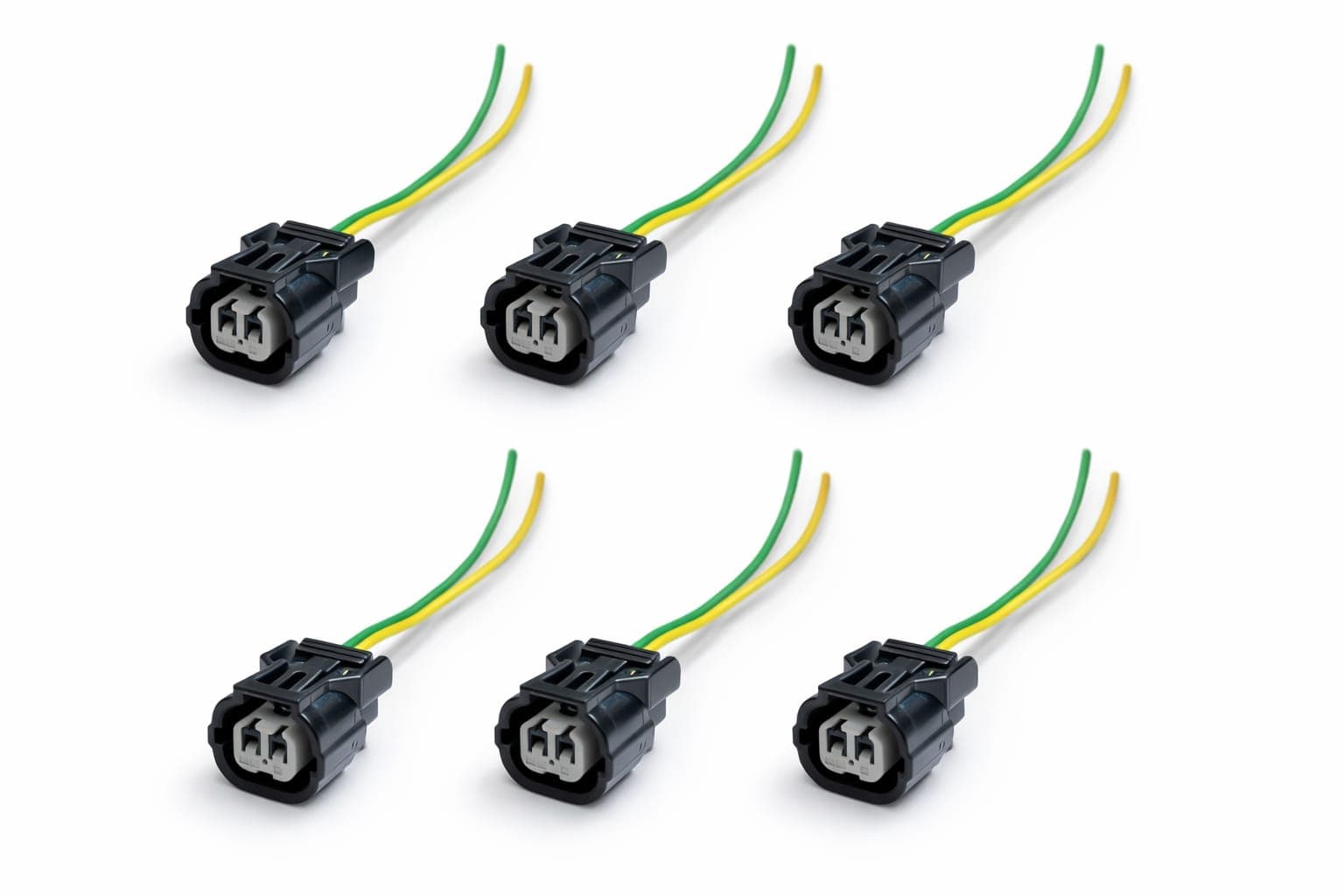
With multi-pin couplers included in the kit, it offers guaranteed plug-and-play compatibility with all 12V BS6 systems across Hero, Honda (Activa 6G, Shine), TVS, Bajaj, Yamaha, Suzuki, and Royal Enfield.
Upgrade your garage's diagnostic capabilities today by ordering the Universal Tester Kit here!
Need Quality Bike Tools & Parts?
Browse our range of motorcycle tools and spare parts for two-wheeler workshops.
Shop NowNever Miss a Post
Subscribe to our newsletter for expert tips on bike maintenance and product launches.